Emma's educational round-up
A weekly/fortnightly insight into developments within the realm of education.
My recommendations
News
Royal Geographical Society (RGS-IBG)
I have been a Fellow (FRGS) and a Chartered Geographer (CGeog) for several years now. If you are keen to find out more about this learned society and what it has to offer, then do have a read of Dr David Preece’s Substack post (‘Finding your way: The Royal Geographical Society’). They currently have a reduced school membership (just £50 per year), which is certainly worth considering.

Schools planning geography fieldwork and expeditions are eligible to apply for grants of up to £700 from The Frederick Soddy Schools Awards programme. Applications are welcomed from schools undertaking fieldwork which incorporates an element of human geography. The grants aim to enable students between the ages of 5 and 18 years old to gain valuable experience provided by fieldwork. The closing date for applications is 30th November 2026. I have supported many schools with applications over the past few years and all have been successful in receiving funding to support some incredibly impactful fieldwork.
https://www.rgs.org/exploration/grants/teaching-grants/frederick-soddy-schools-award
Geographical Association (GA) blog
As expected, Paula Richardson’s recent blog post provides some great ideas for local fieldwork. Why not trial some of these during #NationalFestivalofFieldwok2026 in June?
https://geography.org.uk/national-fieldwork/
https://geography.org.uk/blogs/everywhere-has-potential-for-fieldwork-investigations/
Mark Enser has recently released a rather substantial, but very thought-provoking Substack post (‘What kinds of questions does geography need?: Questions in the Future 3 classroom’); a recommended read for both primary and secondary educators and one that will certainly make you reflect on what you do in the classroom.

Website
Alan Parkinson drew my attention to two quizzes created by Rupert Linacre, which you might wish to challenge your students to.
A country quiz: https://rupertlinacre.com/country_quiz/
A UK towns/cities quiz: https://rupertlinacre.com/uk_town_city_quiz/
Resource
According to the World’s Largest Lesson, one of the most powerful tools young people can develop is the ability to tell stories that inspire change.
They have just launched their Climate Action Storytelling Toolkit, a collection of ready-to-use activities designed to help students move from climate anxiety to creative action. Through film, poetry, and collage art, students explore how storytelling can communicate environmental solutions in engaging and meaningful ways.
What’s included?
Ages 8–14:
45–60 minute lesson plans
15-minute classroom activities
Discussion prompts focused on storytelling for nature through poetry, film, and collage art
Ages 14+:
UN SDSN Learning Guide on Ecosystem Restoration: Activities featuring systems thinking and guided research
Educators can also use this toolkit to connect learning to upcoming international moments, such as International Day for Biological Diversity (22nd May 2026) and London Climate Action Week (20th-28th June 2026). These moments provide great opportunities for students to showcase their ideas, reflections, and climate stories with their wider school communities.
https://worldslargestlesson.globalgoals.org/resource/climate-action-storytelling-toolkit/
Book
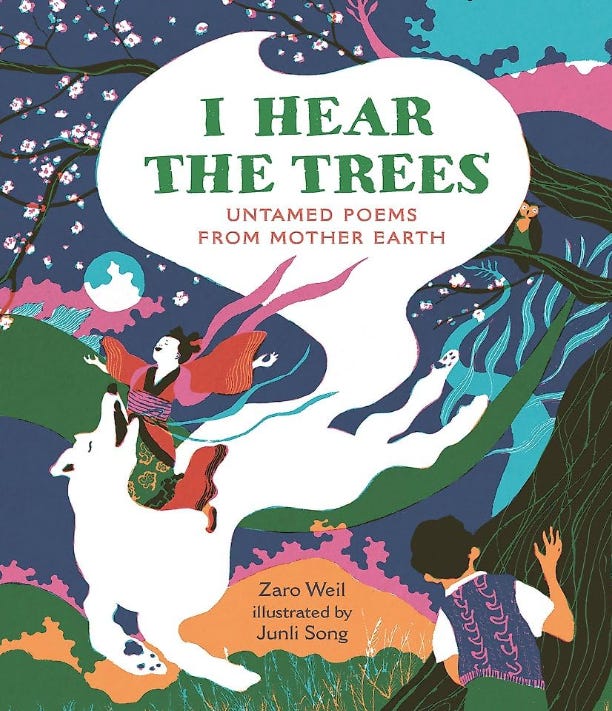
I hear the trees, written by Zaro Weil and beautifully illustrated by Junli Song, has been receiving some credible reviews.
Delve into the latest online version of Teach Reading and Writing too as pages 49 to 51 contain guidance on how this poetry collection can be utilised to encourage children to be curious about the world around them.
https://cdn.artichokehq.com/teachwire/Teach-Reading-Writing-Issue-23/#page=49
Podcast
A new episode of Coffee & Geography has been released!
This week, Kit Marie Rackley is joined by Pluto Liu, a marine scientist, artist, nomad and PhD researcher based in Aotearoa. Their conversation weaves together place identity, interdisciplinary thinking, anti‑capitalism, kelp forests, Antarctica and the stories we carry from every landscape we pass through.
Pluto reflects on growing up in China, travelling through Asia, finding unexpected belonging in Latin America and settling in Aotearoa - and how identity becomes ‘a mixture of all different places I’ve been to’. They also explore why arts and sciences should never have been separated, how Indigenous understandings of nature challenge western categories and what it means to study kelp at the edge of a changing Antarctic world.
As anticipated, there is a degree of humour too - tattoo design, surfing, learning to swim after getting a diving certificate and a playful debate: Which will die first: kelp or capitalism?
Listen here:
TV programme/movie clip
More and more is appearing in the media as the countdown to the FIFA World Cup begins. BBC Weather contemplates the following question, ‘Could dangerous weather impact the FIFA World Cup this summer?’.
https://www.bbc.co.uk/news/videos/cze21dpn0gjo?
App/tool/game
So many tools here!
Mark Anderson, aka the ICT Evangelist, is in the throes of producing a new series, Pedagogy First. This consists of six resources grounded in the cognitive science of teaching and learning, each one built around what the research actually says rather than what’s currently trending. I’ve spent the better part of my career saying the same thing: pedagogy first, technology second. Not because technology doesn’t matter. It does, significantly. But because the most powerful thing any teacher can do is understand how learning actually works, and then make decisions in service of that.
That belief is behind everything I make. It’s also behind this.
Every Wednesday for the next six weeks, a new infographic drops. When all six are complete, I’ll compile them into a free PDF guide, available to everyone. No paywall. No sign-up.
Find out more: https://ictevangelist.com/24-ways-to-embed-retrieval-practice-in-your-classroom-the-pedagogy-first-series/
‘Geography in the news’
Why is NI facing a growing threat from wildfires?
One for those of you in Northern Ireland or if you are focusing on climate change closer to home. A good geography question to explore with pupils in more depth, perhaps?
https://www.bbc.co.uk/news/articles/c0729z88z37o?
CPD
Primary
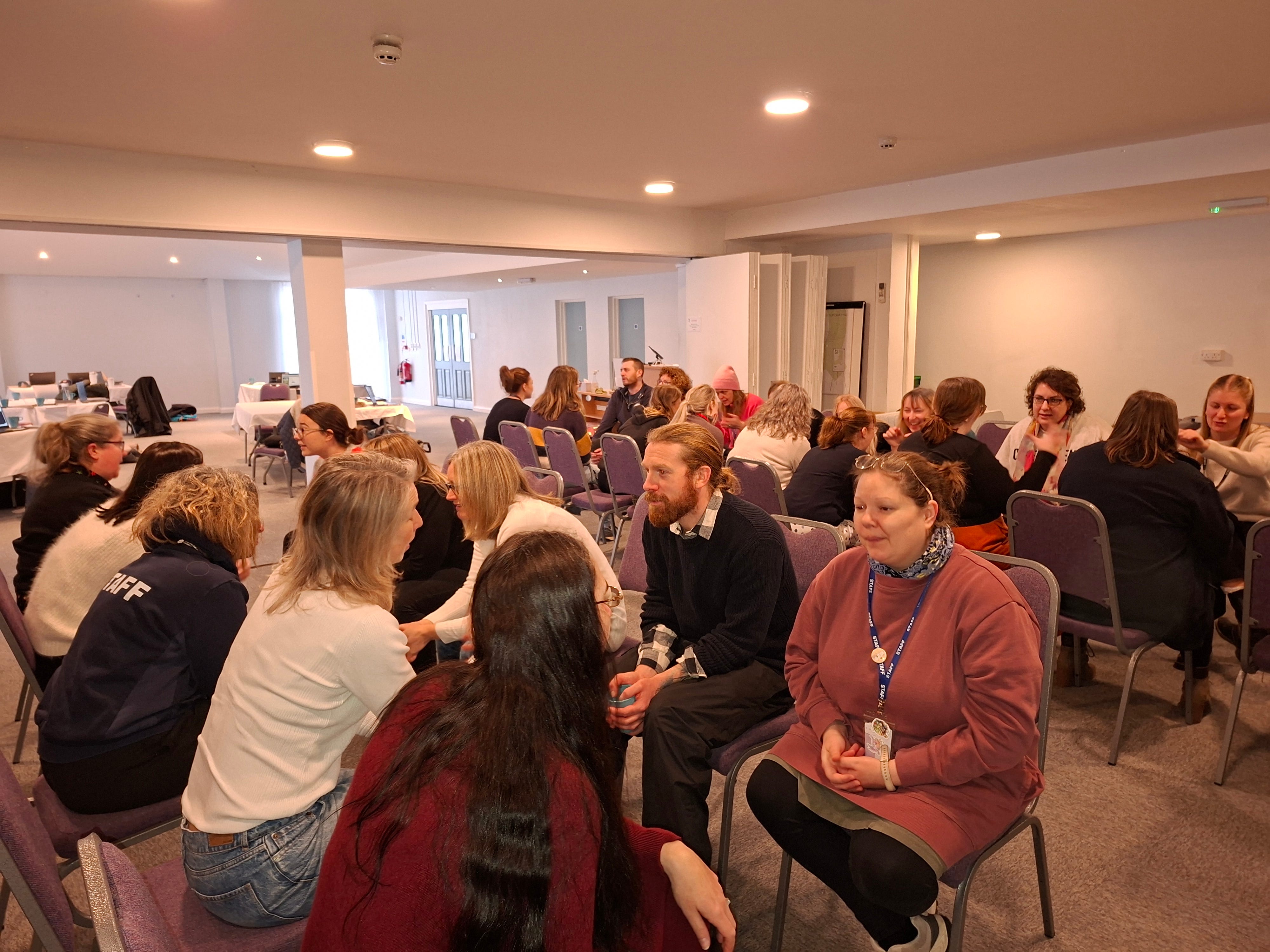
Our next virtual Primary Geography Subject Leader Network (PGSLN) meeting will take place on Thursday 21st May 2026, from 9.00 am to 11.45 am. In addition to the usual ‘educational round-up’, this will reference key takeaways from the Geographical Association (GA) Annual Conference and Exhibition, particularly those related to the Curriculum and Assessment Review (CAR) and proposed changes and developments, plus ‘golden threads’, such as key concepts, fieldwork and climate change.
Further details and booking: https://www.eventbrite.co.uk/e/virtual-primary-geography-subject-leader-network-pgsln-meeting-tickets-1985572608121
Competition/challenge
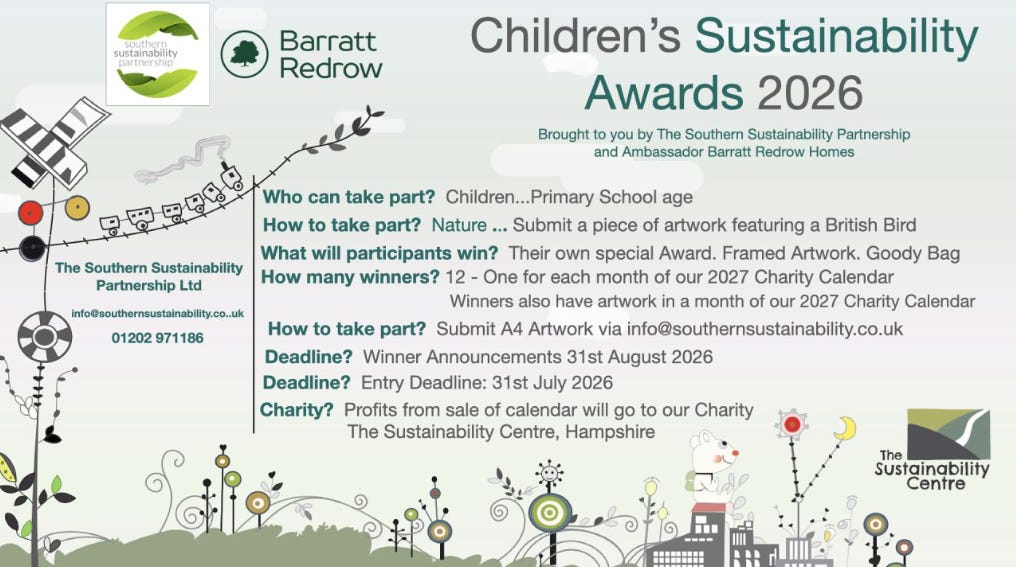
Edd Moore flagged this up on LinkedIn. It is open to all schools in Hampshire, the Isle of Wight and Dorset.
Opportunities for pupils
Primary
Back due to demand and in recognition of #NationalFestivalofFieldwork2026. Only TWO school spaces now left.
Secondary
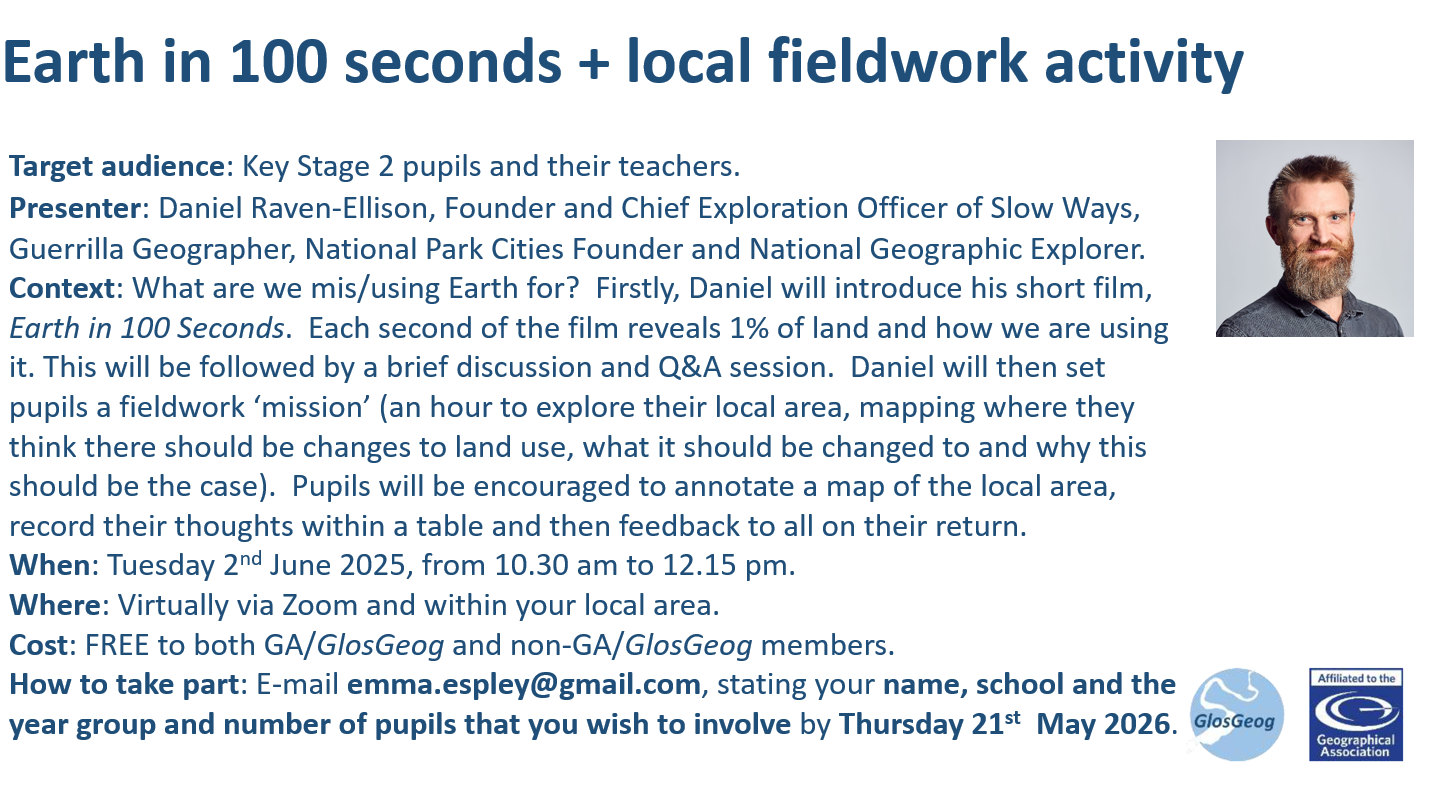
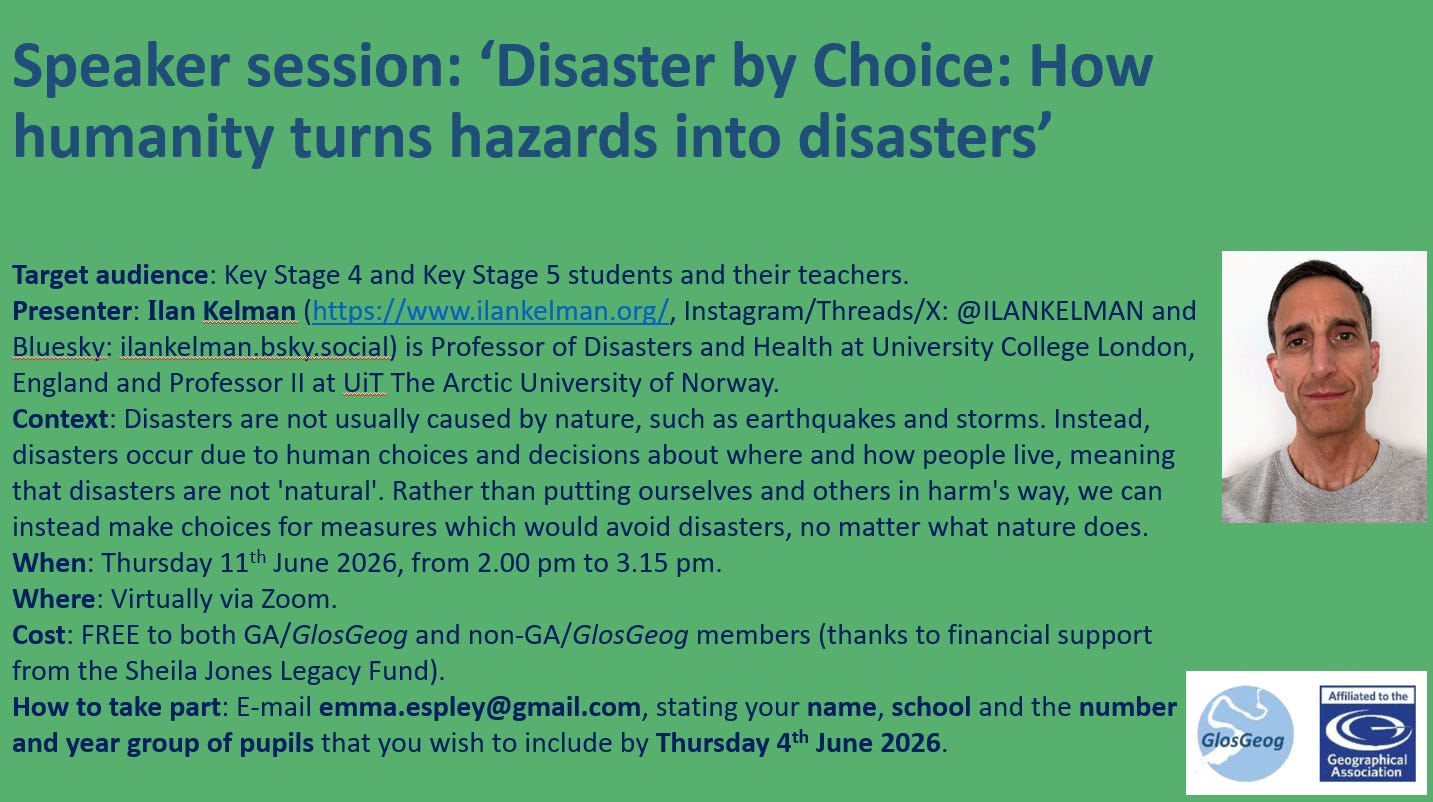
If you attended the Geographical Association (GA) Annual Conference and Exhibition in mid-April in Sheffield and heard Ilan Kelman speak, then you know that Key Stage 4 and Key Stage 5 students and their teachers are in for a treat here … don’t miss it! More than 35 schools have already signed up; only room for a couple more.
Surfers Against Sewage is forming a Youth Advisory Panel as part of their new youth campaigner initiative. They are looking for young people aged 16–25 years, who care about clean water and want real influence over how SAS campaign for it. You do not need to be an activist, an environmentalist or a surfer, but simply curious, honest and willing to share your views.
Details:
4 times a year via Zoom at £50 per session. Expenses covered and your involvement is properly recognised.
Interested?
Complete the SAS Youth Panel online form by 21st May 2026: https://docs.google.com/forms/d/e/1FAIpQLSdruWg191JUq7DR07x9YBoFZZ7usEuekuvz2e5AoW63EZ6z5A/viewform?pli=1
Hope the above provides some inspiration and saves you time. Do let me know if you make use of any of the recommendations or have others that I have missed; I do love to hear about, and see evidence of, pupils in action both in and beyond the classroom.
Have an enjoyable and relaxing half-term break, hopefully with some warmth and sunshine.
Emma Espley